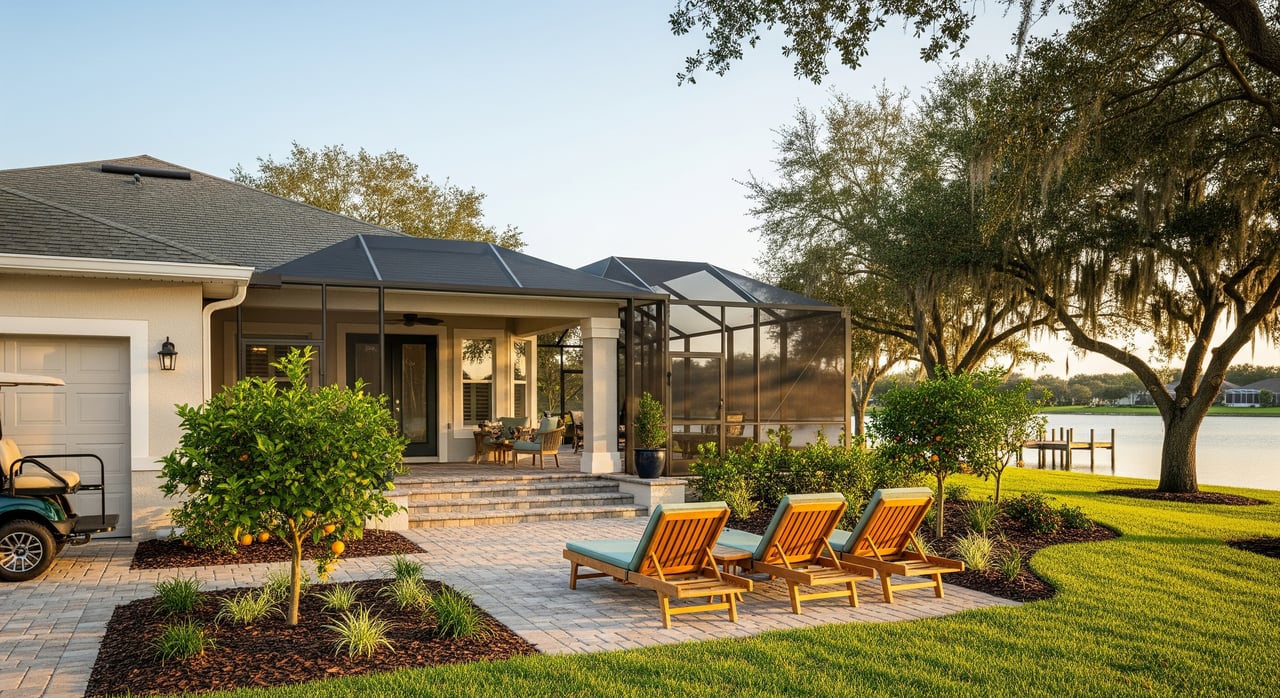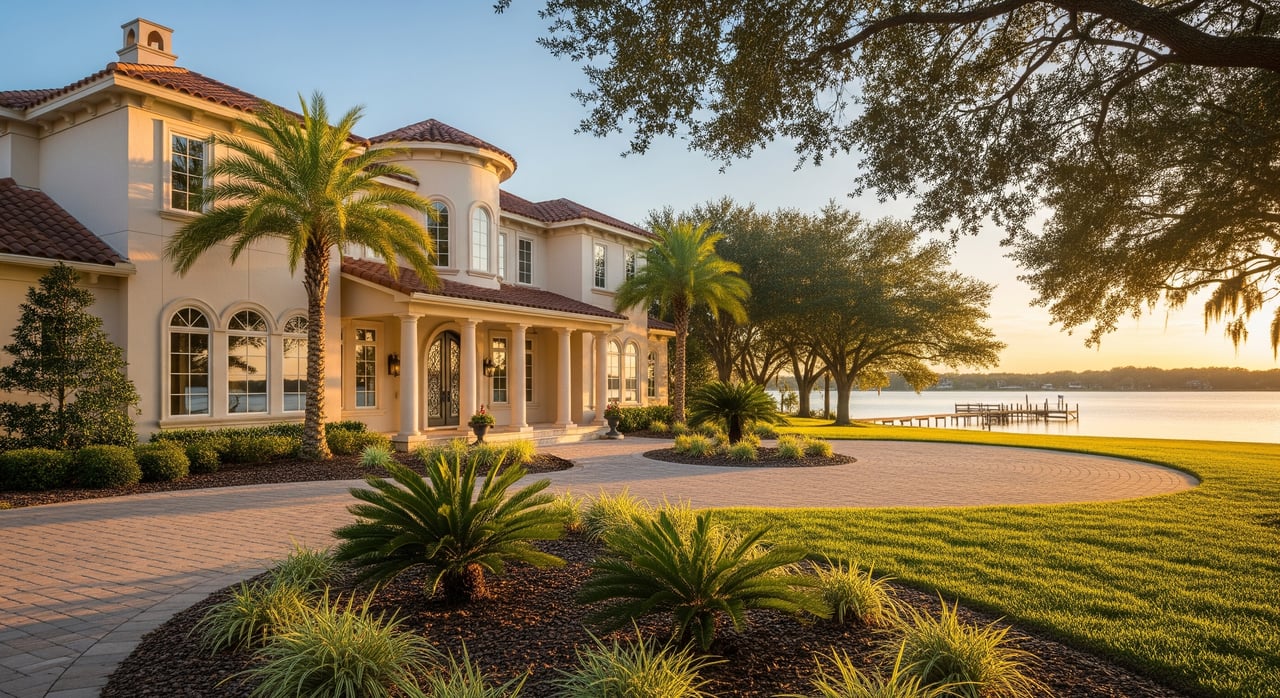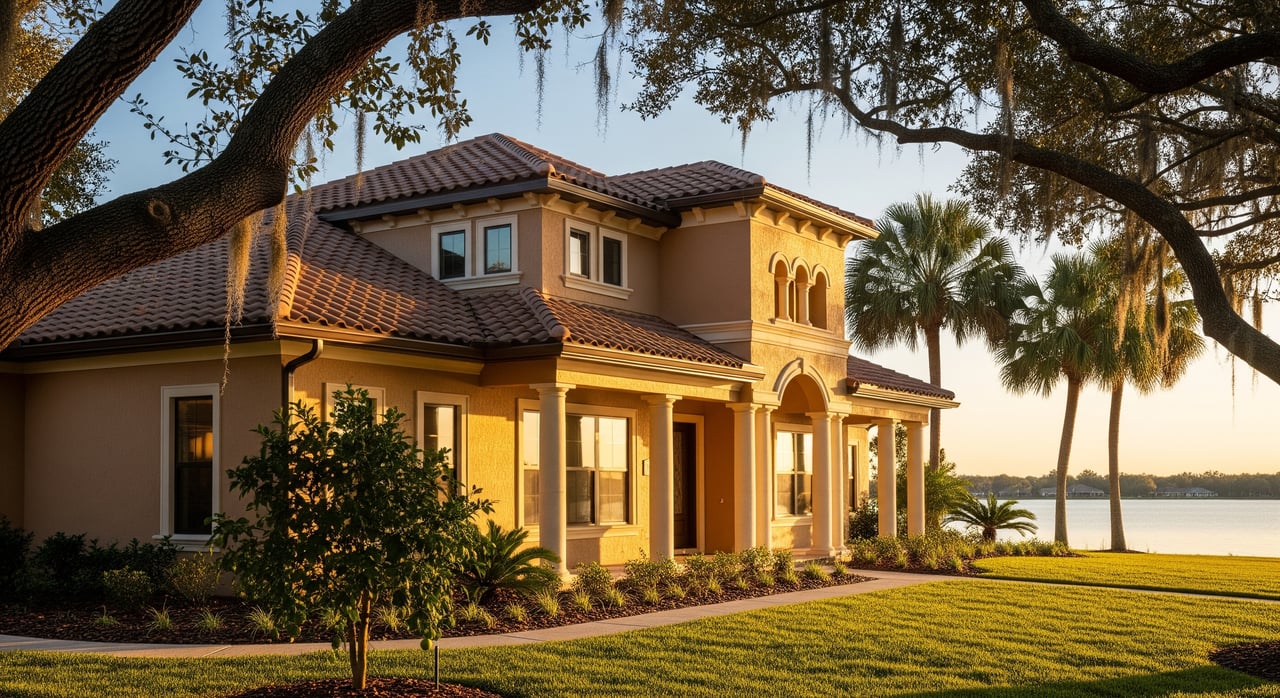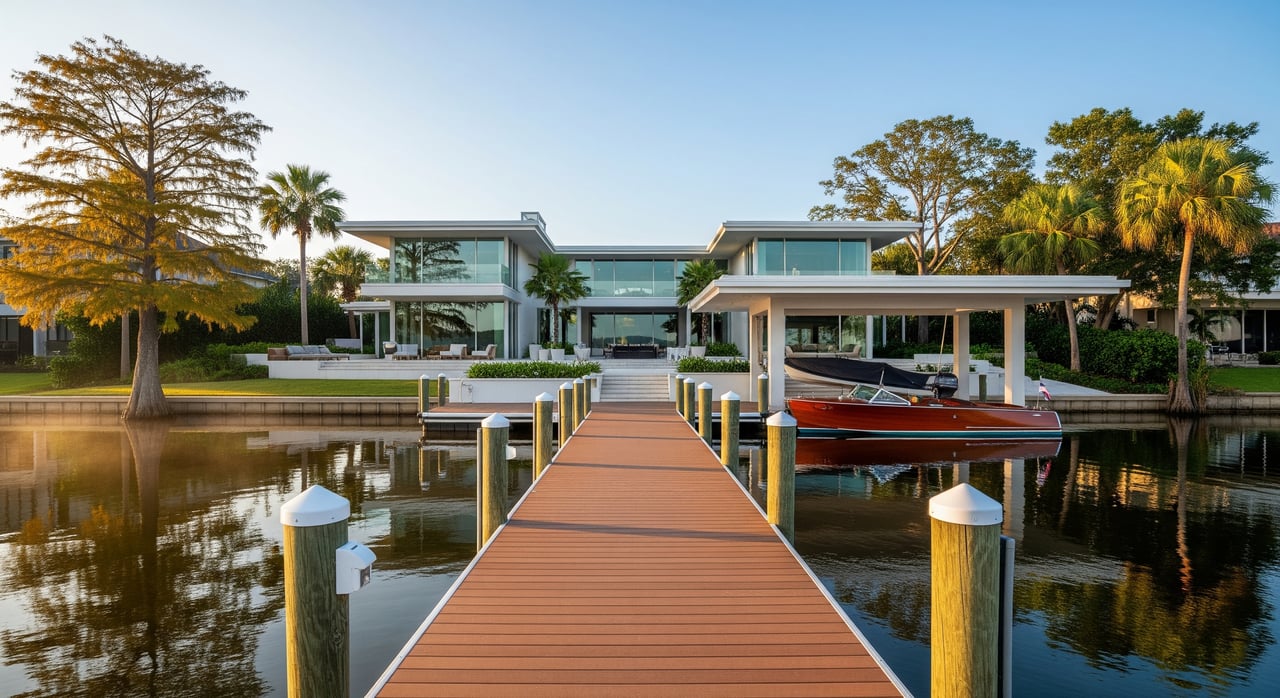
Dreaming of stepping from your backyard onto a boat and cruising through connected lakes? You’re not alone. Buying on Winter Haven’s Chain of Lakes delivers a special lifestyle, but it also comes with rules, permits, and upkeep you’ll want to understand before you write an offer. In this guide, you’ll learn how to confirm boating access, evaluate docks and seawalls, plan insurance and maintenance budgets, and navigate HOA rules with confidence. Let’s dive in.
Why the Chain of Lakes
Winter Haven’s Chain of Lakes includes multiple freshwater lakes linked by navigable canals. Some homes sit on lakes that connect through the chain, while others front standalone lakes without through-boat access. Water levels and navigability can vary by season, and canals may close at times for maintenance or safety.
You get a mix of property types here. You’ll see single-family homes with private docks, condos with shared docks, and parcels with ramps or seawalls. The right fit depends on how you plan to use the water and how much maintenance you want to handle.
Access and boating
Public ramps and connectivity
Confirm the nearest public boat ramps and parks with lake access, plus any marinas you plan to use. Ask about the travel path from your shoreline to the broader chain. Check whether connecting canals are navigable year-round and if any seasonal closures are planned.
If you are a frequent boater, plan a test run during your inspection period. That on‑the‑water check helps you verify water depth and any potential bottlenecks.
Speed zones and local rules
Many lakes have posted speed limits and no‑wake zones near shorelines, docks, and residential stretches. Local law enforcement and state officers enforce these rules. Review city or county ordinances for lake‑specific restrictions like wake hours or personal watercraft rules.
If you plan to tow tubers or wakeboard, confirm where and when it’s allowed. Rules can vary by lake and can change with conditions.
Boater safety and licensing
Florida requires boating safety education for some operators. If you were born on or after a certain date and operate a motorized vessel over a set horsepower, you must carry a Boating Safety Education Identification Card. Check the current requirements with the Florida Fish and Wildlife Conservation Commission before you buy or operate.
Also confirm vessel registration and titling. If a seller includes a boat or personal watercraft in the deal, make sure the paperwork is in order.
Storage, lifts, and power
Ask whether the property has a permitted dock and lift, and whether those improvements are individually owned or controlled by an HOA. Boat lifts typically need electrical service and regular servicing. Verify condition, permits, and ownership status in the sale documents.
If storage is tight, consider whether you’ll need a trailer pad or off‑site storage and whether your HOA allows it.
Water quality and vegetation
Water clarity, algae blooms, and aquatic vegetation can affect your experience. Local lakes have had periods of hydrilla growth and occasional algal blooms. Invasive‑species management can involve mechanical treatments or herbicide applications. Before you buy, ask for recent updates from local lake management or county resources so you know what to expect seasonally.
Docks and seawalls
Who controls the shoreline
In Florida, ownership of upland property does not always include the submerged land below the water. The state manages sovereignty submerged lands. If a dock or seawall extends over public submerged land, it may require a state authorization or lease. Confirm whether any lease exists, its status, transfer rules, and fees.
A current survey showing the mean high‑water line and the exact location of structures is essential. This helps you understand what you own and what may be subject to state oversight.
Permits to confirm
Shoreline work can require multiple approvals. Typical layers include:
- City or county building permits for dock, lift, or seawall construction and repairs.
- State authorization or lease for any structure occupying sovereign submerged lands.
- Possible U.S. Army Corps of Engineers involvement if work affects navigable waters or wetlands.
- Electrical permits for shore power and lifts.
Ask the seller for prior permits, as‑built drawings, and any state leases. Confirm whether approvals transfer with the sale or must be reassigned.
Lifespan and maintenance
Seawalls can be concrete, steel, vinyl/HDPE, or rock. Lifespans vary widely, often ranging from about 25 to 60+ years based on materials, installation, soil, and exposure. Plan a professional inspection every 3 to 7 years and after major storms.
Dock components differ too. Wood boards may need replacement every 10 to 20 years, while composites last longer but still need fastener and framing checks. Boat lifts and their mechanicals usually need annual servicing and can last roughly 10 to 25 years depending on use and exposure.
Environmental and erosion factors
Repairs or replacements can trigger environmental conditions to protect aquatic habitat. Docks can shade vegetation and affect fish habitat, so some municipalities publish design guidance. Expect mitigation steps and planning time for larger projects.
Insurance and budgeting
Coverages to review
Waterfront homes often need a tailored insurance package. Review:
- Homeowner’s coverage (HO‑3 or HO‑5) and liability.
- Wind or hurricane coverage and deductible options.
- Flood insurance through the National Flood Insurance Program or private market. Standard homeowner’s policies do not cover flood.
- Boat or personal watercraft insurance for liability and physical damage.
- Umbrella liability for added protection.
- Ordinance or law coverage to meet current codes after a loss, which can matter for docks and seawalls.
What drives premiums
Pricing depends on flood zone and base flood elevation, seawall and dock condition, whether you face open water or a canal, and the home’s elevation and wind‑mitigation features. Regional insurance market conditions also play a role.
An elevation certificate can help you understand risk and may reduce flood premiums if numbers are favorable.
Maintenance budget ranges
Waterfront homes usually exceed a standard 1 to 3 percent annual maintenance rule of thumb. Consider a 2 to 4 percent annual reserve as a starting point, adjusted for age and condition.
For shoreline structures, plan for:
- Annual servicing and small repairs: several hundred to a few thousand dollars.
- Mid‑life repairs like board or pile work: several thousand to low five figures.
- Full seawall replacement: a major capital project that can reach well into five figures or more depending on length, material, access, and permitting.
Ways to save
- Order an elevation certificate and review flood options early.
- Keep documented inspections and maintenance to show proactive risk management.
- Consider mitigation upgrades like impact‑resistant openings or elevated mechanicals.
- Compare multiple quotes with independent agents who know Florida waterfront.
HOAs and covenants
Common rules and approvals
Community rules can shape how you use the water. HOAs may own community docks or allow private docks with design standards. Covenants can set limits on boat types or size, wake‑generating activities, and overnight mooring.
Dock, lift, seawall, or shoreline landscaping changes often require architectural review board approval. Some associations also require certain insurance coverages or list themselves as additional insureds.
Assessments and shared costs
If a shared seawall or canal dredging project is planned, owners may face special assessments. Always review recent HOA minutes, budgets, and reserve studies to spot pending projects.
Title, easements, and surveys
Easements can affect shoreline use and limit changes. Confirm whether any dock sits on state‑leased submerged lands and whether the lease can be assigned at closing. For freshwater parcels, confirm riparian rights and access along your boundary lines.
An up‑to‑date survey showing the mean high‑water line and existing improvements is crucial.
Gray areas to expect
Permit transfer rules vary. Some approvals must be reassigned or reapplied for after a sale. Lenders can also require certain inspections or repairs, such as seawall condition, beyond what local permits require.
Due diligence checklist
Use this list during your inspection period:
- Verify flood zone and obtain or update an elevation certificate.
- Order a boundary survey showing shoreline, mean high‑water line, and improvements.
- Collect permit history for docks, lifts, and seawalls, plus any submerged‑land leases.
- Hire a marine contractor or engineer to inspect the dock, lift, and seawall and provide repair estimates in writing.
- Confirm canal navigability and any planned maintenance or closures.
- Review HOA covenants, bylaws, meeting minutes, and financials for rules and upcoming assessments.
- Ask the seller for documentation of recent repairs, service records, and contractor contacts.
- Check local ordinances on speed zones, wake rules, and lake‑use restrictions.
Buying steps and timing
- Get pre‑approved so you can act quickly when the right home appears.
- Tour by land and, if possible, by water to test your route through the chain.
- Write your offer with contingencies for marine inspections and document review.
- During inspections, gather permits, leases, surveys, and insurance quotes.
- If needed, consult the city, county, or state offices for permit or lease questions.
- Finalize repairs, insurance, and financing, then close with confidence.
Ready to find your lake home?
Buying on the Winter Haven Chain of Lakes can be a wonderful move when you pair the lifestyle with smart due diligence. With the right plan, you can enjoy easy boating days and fewer surprises after closing. If you want a local guide to help you verify the details and negotiate with confidence, reach out to Jenni Thompson. We’re here to make your lakefront purchase smooth and low‑stress.
FAQs
What is the Winter Haven Chain of Lakes and how connected is it?
- It is a group of freshwater lakes linked by canals; many are connected while some lakes are standalone, and canal navigability can vary with season and maintenance.
Do I need a boating license to operate on these lakes?
- Florida requires boating safety education for some operators; if you were born on or after a certain date and run a motorized vessel over a threshold, you must carry an FWC card.
Can I expand an existing dock or add a boat lift?
- Possibly, but you’ll likely need city or county permits, and if structures occupy public submerged lands you may need state authorization; plan time for approvals.
How do flood zones affect lakefront insurance in Winter Haven?
- Standard homeowner’s policies do not cover flood; premiums depend on FEMA flood zone and elevation, and an elevation certificate can help you shop options.
What should I budget for dock and seawall upkeep?
- Plan several hundred to a few thousand dollars annually for servicing, several thousand to low five figures for mid‑life repairs, and potentially five figures or more for full seawall replacement.
Who is responsible for community seawalls or dredging projects?
- In many communities the HOA manages shared shorelines and can levy special assessments; review HOA minutes, budgets, and reserves to spot pending costs.